


01 · Documentary book
October 7
The full documentary account: twelve chapters tracing Hamas before the attack, the massacre, captivity, evidence and denial.
Explore the book
Three books · One record
A documentary and visual record of the attack, captivity, damaged evidence and denial by Shlomo Kashani.
The editions
Captivity, propaganda, damaged evidence and the inversion of proof extended the attack beyond the sites of murder and abduction. Drawing testimony, visual records, forensic findings and later corroboration into one sequence, the project separates what is established, what remains uncertain, and how denial exploits the space between them.
01 · Documentary book
The full documentary account: twelve chapters tracing Hamas before the attack, the massacre, captivity, evidence and denial.
Explore the book
02 · Art book edition
A 32-page A5 visual sequence in English and Hebrew, pairing seven images with documentary photographs.
Explore the art book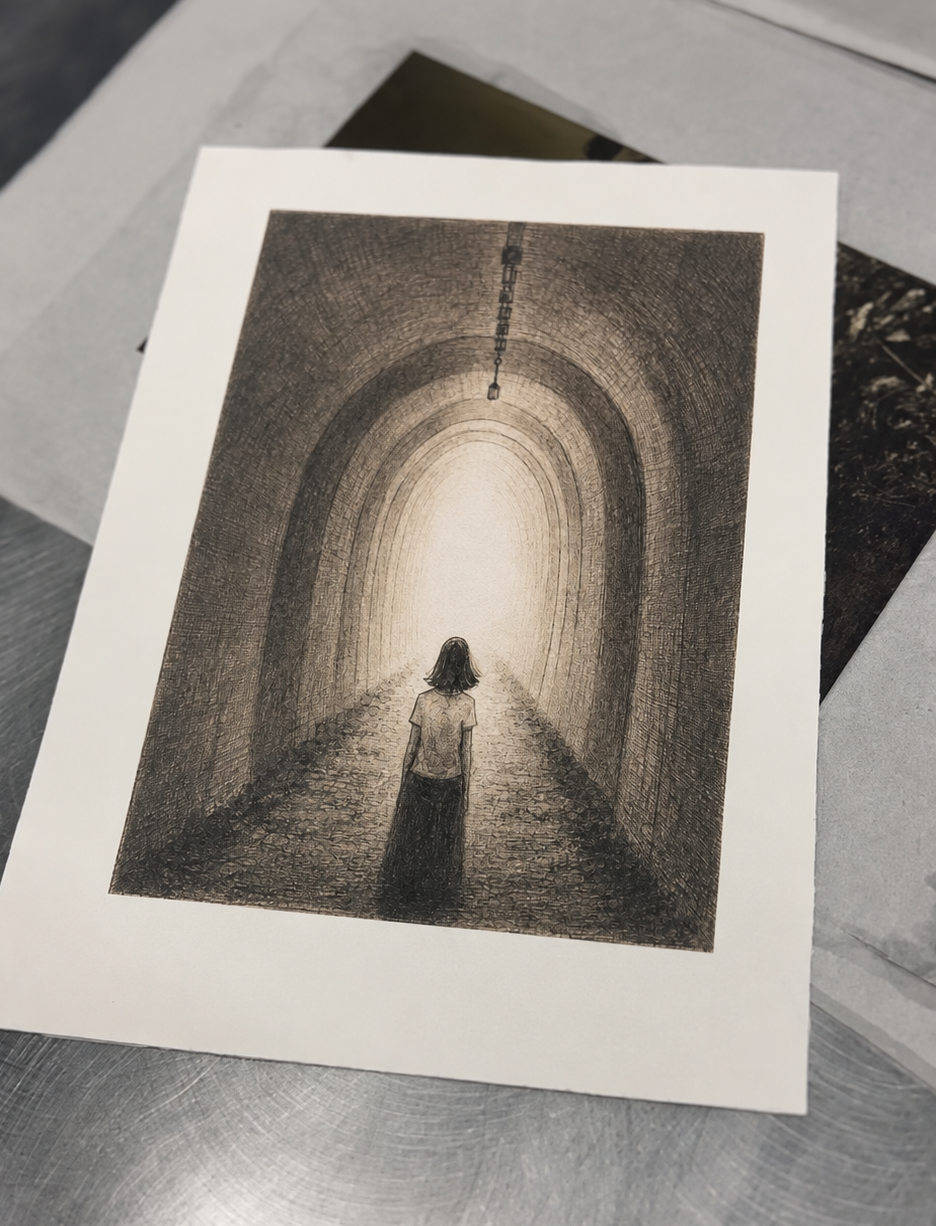
03 · Limited artist’s edition
A proposed numbered edition joining seven original photopolymer gravures in a handmade concertina binding.
Explore the limited edition04 · Animated film
An animated reconstruction of the attack on the kibbutzim and the Nova festival, in sepia and charcoal, with original music. The trailer runs thirty-eight seconds.
Watch the filmThe Book
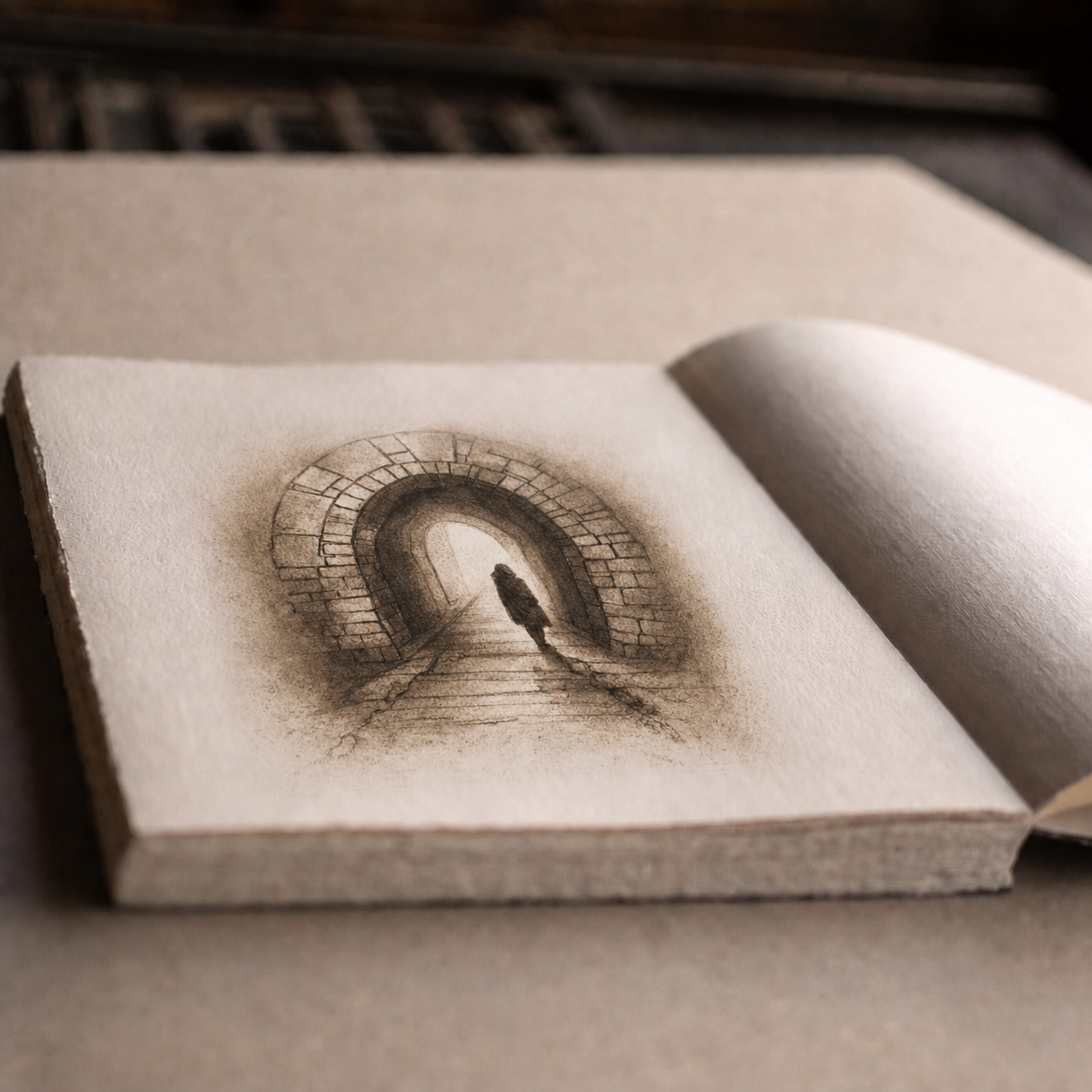
October 7: Massacre, Captivity, Denial reconstructs the attack, the hostage system, and the struggle over the record as one documentary sequence.
Analytical glossary · מילון מושגים
Key terms developed or specified in the documentary book, presented here in parallel so that the logic of each definition remains visible across both languages.
01
English
Evidentiary inversion occurs when a massacre destroys the ordinary routes to proof, including living complainants, bounded scenes, prompt medical collection and an unbroken police sequence. The same act produces the crime and damages the evidence needed to prove it. In these conditions, the absence of a conventional victim-level file cannot count as disproof. The claim must be tested through convergence across genuinely independent witness and evidence channels.
עברית
היפוך ראייתי נוצר כאשר טבח הורס את הדרכים המקובלות להוכחת פשע: מתלוננים שנותרו בחיים, זירות תחומות, איסוף מיידי של ממצאים רפואיים ורצף חקירה משטרתי שלא נקטע. אותו מעשה עצמו גם יוצר את הפשע וגם פוגע בראיות הדרושות להוכחתו. בתנאים כאלה, היעדרו של תיק חקירה רגיל לכל קורבן בנפרד אינו הפרכה. את הטענה יש לבחון לפי מידת ההתלכדות של ערוצי עדות וראיות שהם עצמאיים באמת אלה מאלה.
02
English
Pattern sufficiency is an evidentiary standard for a record damaged by massacre, where no single scene or victim-level file remains complete. A pattern is supported when genuinely independent channels, sites and witness classes converge on the same conduct. The standard supports conclusions about recurring conduct; individual attribution requires separate evidence. The inference weakens when sources share one origin, conflict on the central claim or omit contrary material.
עברית
הוכחה על פי דפוס היא אמת מידה ראייתית לתיעוד שנפגע בטבח, כאשר שום זירה ושום תיק של קורבן בודד לא נותרו שלמים. דפוס נחשב מבוסס כאשר ערוצים, אתרים וסוגי עדים בלתי תלויים מתלכדים סביב אותה התנהגות. אמת המידה הזאת תומכת במסקנות על התנהגות חוזרת; ייחוס מעשה לאדם מסוים דורש ראיות נפרדות. המסקנה נחלשת כאשר המקורות נשענים על מקור אחד, סותרים אלה את אלה בטענה המרכזית או משמיטים חומר סותר.
03
English
Civilian targeting by design occurs when attackers plan around the places and times of civilian life. Homes, roads, shelters, gathering spaces and escape routes become one field of assault. The attackers exploit predictable patterns of civilian presence and movement. The concept applies when civilians and civilian spaces form the primary target set and their vulnerability supplies the operation’s mechanism.
עברית
תקיפת אזרחים מתוכננת מתרחשת כאשר התוקפים מתכננים את המתקפה סביב המקומות והזמנים של חיי האזרחים. בתים, כבישים, מקלטים, מקומות התכנסות ודרכי מילוט הופכים לשדה תקיפה אחד. התוקפים מנצלים דפוסים צפויים של נוכחות ותנועה של אזרחים. המושג חל כאשר אזרחים ומרחבים אזרחיים הם מערך המטרות העיקרי, ופגיעותם היא המנגנון שעליו נשען המבצע.
04
English
Law of Denial is the protected title of this plate. Its analytical counterpart in the documentary book is the procedural-denial hypothesis: a testable proposal about a recurring way institutions may respond when evidence conflicts with an established moral framework. That framework can shape when an institution speaks, which terms it uses and how much evidence it demands. The hypothesis gains support when matched cases show that recognition is repeatedly delayed, narrowed or reframed where acknowledgement carries a higher institutional cost. A single contradiction cannot establish the pattern.
עברית
חוק ההכחשה הוא הכותרת המוגנת של הלוח הזה. המקבילה האנליטית שלו בספר התיעודי היא השערת ההכחשה הפרוצדורלית: הצעה בת־בחינה בדבר דרך חוזרת שבה מוסדות עשויים להגיב כאשר ראיות מתנגשות עם מסגרת מוסרית מושרשת. מסגרת זו יכולה לעצב מתי מוסד מדבר, באילו מונחים הוא משתמש וכמה ראיות הוא דורש. ההשערה מתחזקת כאשר מקרים תואמים מראים שהכרה מתעכבת, מצטמצמת או מנוסחת מחדש שוב ושוב במקום שבו להכרה מחיר מוסדי גבוה יותר. סתירה יחידה אינה מבססת את הדפוס.
05
English
Captured text is an interpretive regime in which a prior moral framework sorts actors, injuries and legitimacy before evidence is assessed. That sorting shapes which evidence is admitted and how it is read. Equivalent claims can therefore face different thresholds according to who is cast as victim, perpetrator or context. The concept applies when the prior categories remain stable even as new evidence arrives.
עברית
טקסט שבוי הוא משטר פרשני שבו מסגרת מוסרית קודמת ממיינת את השחקנים, את הפגיעות ואת הלגיטימיות עוד לפני שהראיות נבחנות. המיון הזה קובע אילו ראיות מתקבלות וכיצד קוראים אותן. לכן טענות שקולות עשויות להיתקל ברפים שונים, לפי מי שמוצג כקורבן, כתוקף או כהקשר. המושג חל כאשר הקטגוריות המוקדמות נותרות יציבות גם כשמגיעות ראיות חדשות.
06
English
Coercive visibility is the captor’s deliberate control over what an adversary can see about hostages. The captor releases footage, messages or proof-of-life signals when disclosure maximises pressure. Silence is used when uncertainty produces greater fear or paralysis. Showing and withholding therefore become two instruments within the same coercive strategy.
עברית
נראות כופה היא שליטתו המכוונת של השובה במה שיריבו יכול לראות מבני הערובה. השובה מפרסם סרטונים, מסרים או אותות חיים כאשר החשיפה מביאה את הלחץ לשיאו, ושותק כאשר אי־הוודאות מולידה פחד או שיתוק גדולים יותר. הצגה והסתרה נעשות אפוא שני כלים באותה אסטרטגיית כפייה.
07
English
A proof-of-life operation is a communication showing that a hostage was alive when it was recorded. The captor controls its timing, staging and release. The message gives information while also shaping fear, hope and bargaining pressure. Its function can therefore be humanitarian, propagandistic and coercive at the same time.
עברית
מבצע אות חיים הוא מסר שמראה שבן ערובה היה בחיים בזמן שהוקלט. השובה שולט בעיתוי של המסר, בבימוי שלו ובפרסומו. המסר מוסר מידע, ובה בעת מעצב פחד, תקווה ולחץ במשא ומתן. לכן הוא יכול למלא בעת ובעונה אחת תפקיד הומניטרי, תעמולתי וכופה.
08
English
An instrument of coercion is a person, resource or condition controlled by one party to compel a decision or concession from another. In hostage-taking, the instrument is a living person. The captor controls the hostage’s survival, visibility and possible release. That control sustains pressure on families, governments and the public across time.
עברית
כלי כפייה הוא אדם, משאב או מצב שנתון לשליטתו של צד אחד ומשמש אותו כדי לכפות על צד אחר החלטה או ויתור. בחטיפת בני ערובה, הכלי הוא אדם חי. השובה שולט בהישרדותו של בן הערובה, בנראותו ובאפשרות שחרורו. השליטה הזאת מקיימת לאורך זמן לחץ על המשפחות, על הממשלות ועל הציבור.
09
English
Coercive leverage is pressure created by controlling a hostage’s survival, visibility or release. The captor may demand an exchange. Continued captivity and uncertainty also impose public and political costs. Those costs preserve bargaining power even when no immediate exchange occurs.
עברית
מנוף כפייה הוא לחץ שנוצר באמצעות שליטה בהישרדותו של בן ערובה, בנראותו או בשחרורו. השובה עשוי לדרוש עסקת חילופין. גם עצם המשך השבי ואי־הוודאות גובים מחיר ציבורי ופוליטי. המחיר הזה משמר כוח מיקוח גם כשאין עסקה מיידית באופק.
10
English
Evidentiary threshold gaming occurs when a decision-maker raises the proof required for one class of claim, victim or event while accepting equivalent claims elsewhere under ordinary standards. The pattern must be tested through matched comparison. It gains support when the higher threshold recurs in one direction and consistent policy, case-specific caution or source quality cannot explain the difference.
עברית
משחק ברף ההוכחה מתרחש כאשר מקבל ההחלטות מגביה את הרף לסוג אחד של טענה, קורבן או אירוע, ובה בעת מקבל טענות שקולות במקומות אחרים לפי אמות המידה הרגילות. את הדפוס יש לבחון בהשוואה בין מקרים מקבילים. הוא מתחזק כאשר הרף הגבוה חוזר ונשנה באותו כיוון, ואת ההבדל אי אפשר להסביר במדיניות עקבית, בזהירות הנוגעת למקרה מסוים או באיכות המקורות.
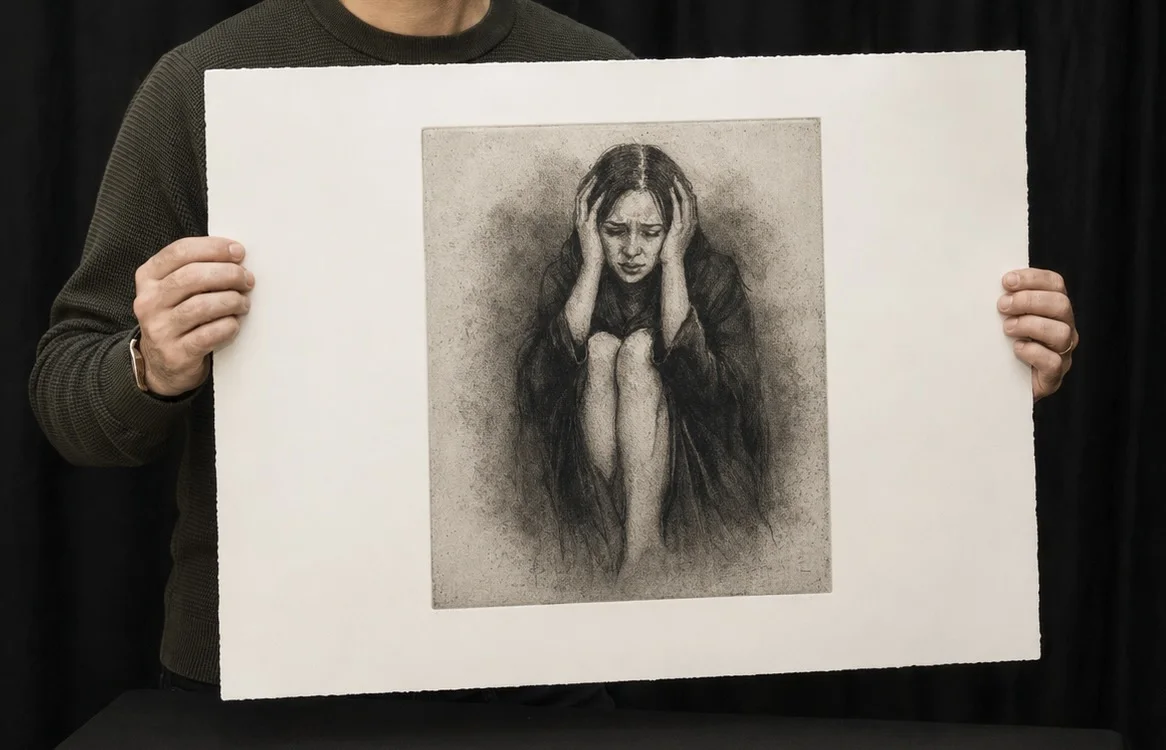
Shlomo Kashani
Kashani is also a filmmaker. His film October 7: The Day is an animated reconstruction of the Hamas-led attack on the kibbutzim and the Nova music festival.
His method tests claims across testimony, forensic and institutional reporting, legal materials, and open-source verification while preserving distinctions between established fact, corroborated inference, and unresolved evidence.
The project examines how violence damages the ordinary conditions of proof—and how that damage may subsequently be turned against its victims. Official author website: Elucidatio.com ↗